


Not a single person is immune from cystitis and gender and age category do not matter in the slightest.However, due to anatomical features, cystitis develops in women much more often than in the stronger sex.What are we talking about when doctors make such a diagnosis?Cystitis refers to inflammatory processes that occur in the genitourinary system and mainly affect the bladder and urinary ducts.The disease is accompanied by pain and increased frequency of urinary processes.
Important.In the absence of timely and competent treatment, the disease threatens to become chronic, which is fraught with annual exacerbations accompanied by unpleasant manifestations.
Therefore, when the first symptoms appear indicating the formation of cystitis, it is necessary to contact a treating specialist to confirm the diagnosis and develop a therapeutic regimen.
How are inflammatory processes classified?
When determining the diagnosis, doctors take into account classifications divided by morphology, symptoms, triggering causes and numerous other factors.According to the stages of development of pathology, the following are distinguished:
- acute cystitis.In this case, inflammatory processes appear suddenly, quite soon after the patient has been affected by the etiological factor in the formation of the disease.In this case, the arising symptoms are very vivid, as a result the victim can accurately name the day when the pathology began.Women between the ages of 20 and 40 are the most susceptible to the effects of acute cystitis.According to statistics, the number of thirty-year-old representatives of the weaker sex who have suffered from the disease reaches 30%.In men, according to statistics, only seven out of 10,000 people suffer from an acute form of cystitis.Usually, the development of this form is provoked by various bacterial pathogens.
- chronic cystitis.In this way, inflammatory processes in the mucosal layer of the bladder are constantly present, periods of exacerbations are interspersed with remissions.In most cases, they occur against the background of an acute inflammatory process.Chronic cystitis in women, and even in men, is diagnosed quite often, since many patients do not turn to medical institutions in a timely manner.
In turn, there are several types of chronic cystitis, which depend on the clinical course of the disease:
- latent form.It is characterized by an asymptomatic course for a long time, exacerbations are frequently observed or are quite rare and can occur twice a year.Usually, latent pathology does not cause any special problems for the patient;Therefore, it is discovered completely by accident during an exam to look for other problems.
- interstitial form.Problems with this form mainly affect the urinary system.Although the origin of the disease is not bacterial, it is very difficult to treat.
- persistent form.The pathology arises as a result of an advanced infectious process and on the basis of cystitis, which occurs in acute form.
Due to constant inflammation, the mucous layer changes in its structure and, accordingly, other forms of the disease develop: ulcerative, polyposis, encrusting, cystic and necrotic.In addition, there are differences in the course of the pathology;Consequently, cystitis can be:
- Primary– develops as an independent disease, the appearance of which is caused by bacterial agents that penetrate the mucous layer of the organ, among other reasons.
- Secondary– its formation occurs in parallel with the main pathology and cystitis in this case should be perceived as a complication.
Secondary cystitis is divided into two larger groups: one includes the extravesical form of the pathology, and the second is the secondary cystic type of the disease.The development of cystic cystitis is due to the presence of tumors, stones in the bladder, abnormalities in its formation, injuries and the consequences of surgery.The occurrence of extravesical pathology is provoked by other pathological and other conditions related to the functionality of the bladder, including pregnancy, the presence of prostate adenoma and damage to other systems or organs.
Reasons for the formation of the pathological process.
The reasons that contribute to the formation of the inflammatory process are classified depending on the etiology of the phenomenon.Cystitis can be:
- Infectious.It is caused by viruses, bacteria or fungi that enter the urethral canal through the ascending or descending path and penetrate the mucosal layer of the bladder, then exerting a pathogenic effect on organs and systems.This type of pathology is diagnosed in 80%.
- traumatic.It usually develops against the background of organic damage, which is accompanied by an infectious infection.
- Postoperative.Pathology can develop due to the need to use a urinary catheter after surgery.However, it cannot completely prevent the penetration of pathogenic microorganisms into the urethral canal.
- diabetic.It occurs as a secondary pathology in patients with diabetes mellitus.
- Allergic.The pathological phenomenon is provoked by various means of supporting intimate hygiene, which can provoke an allergic response in the patient.
- Dishormonal.It is very often observed in women during menopause due to changes in the hormonal system, due to which the functionality of other organs changes.
There are other reasons that can cause cystitis to form.Therefore, inflammatory processes can be caused by the intake of certain drugs that cause the production of acrolein.This substance irritates the mucous layer of the bladder.The risk of cystitis increases if the following factors are present:
- Wear synthetic underwear, especially when it fits tightly to the body.At the same time, the active proliferation of bacteria in the genitals begins.
- Promiscuous sexual contacts with unproven partners will at some point inevitably become the cause of a sexually transmitted infectious pathology.And any such disease can cause cystitis.
- The presence of intestinal diseases and constipation, resulting in the active proliferation of opportunistic microorganisms that can penetrate the urinary tract.
- Some kidney diseases can develop into bladder.
- An insufficiently strong immune system cannot resist pathogenic microorganisms that enter the urethral canal.
Although the causes of cystitis in women and men are largely similar, there are certain differences.Thus, in most cases, the weaker sex suffers due to the structure of the urethra.Its opening is located next to the anus, and the canal itself is large in width and short in length.This anatomical feature greatly simplifies the penetration of bacteria and E. coli into the canal.
The causes of cystitis in women also include hormonal changes during pregnancy;such changes can significantly undermine local immunity.We must not forget about menopause, when the production of estrogen in the female body decreases noticeably.But it is this hormone that directly affects the bladder membrane.The structure of the female reproductive system is also important: it includes many organs that are characterized by the development of inflammatory processes that are subsequently transferred to the urinary system.
Men suffer from cystitis many times less than women, however, they have their own specific factors, the presence of which provokes the formation of pathology:
- Stagnation of urine in the presence of mechanical obstacles: stones, neoplasms, diverticula, foreign objects that prevent the exit of the liquid.
- Phimosis, characterized by the narrowing of the foreskin.
- Inflammatory processes can be triggered by an infection that spreads from the urethral canal, prostate, seminal vesicles, testicles and appendages.
Important.There are other factors that have no connection with the genitourinary system, but that contribute to the development of cystitis in the stronger sex: diabetes, stressful situations, abuse of spicy foods and alcoholic beverages.
Spinal injuries, hypothermia, and transurethral surgery can have a negative impact.
How does cystitis manifest?
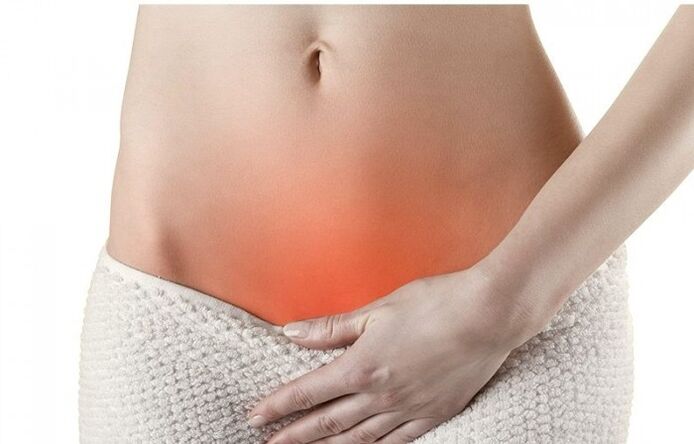
The symptoms accompanying inflammatory processes can be different and depend on the form of the pathology.It should be remembered that the symptoms and treatment of cystitis in women, men and children are closely related.Acute and chronic cystitis manifest differently;In the first case, a sudden appearance is characteristic:
- Too frequent urination processes, reaching 8 to 15 trips to the toilet, while individual urine volumes are small.
- At the end of bladder emptying, pain and discomfort appear in the urethra.
- Pulling pain occurs in the lower abdomen, above the pubis, in the lower back and in the pelvis.
- During the excretion of urine, chills appear.
- After the urination process, there is a feeling that the bladder has not been completely emptied.
- The temperature may rise slightly, but more often remains within the usual range.
- There is a general feeling of discomfort.
- The excreted urine is not transparent enough;Bloody inclusions can be observed in the cloudy liquid, which are released in small quantities in the last moments of urination.
If the treatment of the acute form is timely and adequate, the negative symptoms disappear after three to five days.As for the chronic form of the pathology, such a diagnosis is made when exacerbations are observed every year at least twice, or negative symptoms are constantly present, but not clearly expressed.During exacerbations, signs of pathology are characteristic of the acute form, and during remissions, symptoms may be completely absent.In this case, the analyzes will have no deviations.The most characteristic signs of chronic cystitis are:
- Frequent urination, up to 9-12 times, during which moderate pain and a burning sensation periodically appear.Throughout the day, painful and normal processes alternate.
- Even a slight cooling of the body or a violation of the principles of a healthy diet causes discomfort when excreting urine.Often the discomfort worsens and the clinical picture becomes vivid.
- The pain in the lumbar region, in the area above the pubis, in the pelvis becomes constant, although weak.
- From time to time, the patient is disturbed by the urgent need to urinate;They become more noticeable during the cold period.
- The secreted liquid not only becomes cloudy, but also begins to smell unpleasant.
- At night the need to urinate appears, typical of prostate pathologies, often accompanied by chronic cystitis.
- The changes also affect the psycho-emotional state, the patient becomes depressed.
Separately, signs of cystitis in women who are pregnant should be considered.As practice shows, they are more susceptible to pathology than other patients.This phenomenon is due to changes in hormonal levels;Under the influence of estrogen and progesterone, cystitis can develop in the initial stages of pregnancy.At the same time, it is quite difficult to distinguish it from ordinary frequent urination, which is natural in such a condition.However, the absence of pain and stinging is indicative, the urine remains clear, there are no chills, and when examining the urine, no traces of inflammation are found, which usually accompany cystitis.
In the second half of the trimester, visits to the bathroom become even more frequent, as the enlarged uterus puts more and more pressure on the bladder.However, the phenomenon itself does not refer to the symptoms of cystitis.The uterus puts pressure on the ureters, which worsens the outflow of urine from the kidneys.The result is an expansion of the kidney cavities, in which stagnation of urine occurs and pyelonephritis may develop, which is sometimes accompanied by cystitis.
Often the situation is the opposite: a pregnant woman does not have signs of cystitis, but inflammatory changes are detected when examining urine.The diagnosis in this case sounds like “asymptomatic bacteriuria.”If such conditions occur, there is no need for hospitalization as they are easily eliminated with conservative treatment.
Another situation that requires separate consideration is chronic inflammation in women 50 years of age or older.The formation of cystitis is associated with a decrease in the level of estrogen produced, resulting in dryness of the mucous layers of the genitourinary system.As a result, cracks may form on the surface of the areas near the lips and perineum, through which infection can penetrate.Pathological microorganisms, once on the mucous membranes, easily move to the bladder, especially since in old age the tone of the lower tracts of the urinary system is noticeably reduced.The situation is often aggravated by urinary incontinence, which is typical for older generations and develops against a background of weakness of the pelvic floor muscles.The combination of these factors causes the formation of cystitis.
Methods for diagnosing cystitis

A correct diagnosis is a guarantee that the specialist will develop the most effective therapeutic regimen for each patient.However, the techniques used in the presence of acute and chronic forms may be different.In case of acute cystitis, the following should be prescribed:
- General urine examination.When examining the fluid, leukocytes can be found in large quantities, which indicates the presence of inflammatory processes.Traces of epithelium in the urine sample indicate that the inflammation is located from the renal pelvis to the bladder.The presence of red blood cells indicates damaged capillaries.
- An ultrasound examination of the entire urinary system and the bladder is prescribed separately.This method allows you to identify indirect signs of inflammatory processes occurring in the lining of the organ.Ultrasound helps detect stones and sand that, when moved, can damage mucous membranes and other layers, often causing secondary inflammation and additional damage to blood vessels.
- A study of the flora is carried out under a microscope to identify the causative agent of the pathology and confirm that it was he who provoked the formation of inflammatory processes.
- In parallel with checking the microflora, it is recommended to perform an antibiogram, which makes it possible to determine which drugs the pathogen is resistant to and which will be more effective.
When diagnosing chronic cystitis, the doctor prescribes a general urinalysis, ultrasound, a flora smear sample and the same antibiogram.These studies can be complemented by a fluid test to determine the content of leukocytes, red blood cells and casts in 1 ml of urine, together with a three-glass sample.This type of analysis will allow you to differentiate other diseases that develop in the genitourinary system.
Traditional treatment with medications.

Let's consider the treatment of cystitis in women.To begin with, in case of exacerbation of the disease, the patient needs rest and a temporary cessation of sexual relations;You will have to give up intimacy for at least 10 days.The doctor prescribes a series of medications that will relieve inflammation and eliminate negative symptoms.To achieve the greatest effect, treatment must be comprehensive and based on the type of pathology and the stage of its development.In the treatment of cystitis in women, medications should include antimicrobial agents, which can belong to different groups:
- Fluoroquinolones.
- Tetracyclines.
- Cephalosporins.
- Macrolides.
- Aminoglycosides.
- Penicillin derivatives.
- Fosfomycins.
In cases where an uncomplicated pathology is being treated, antimicrobial tablets for cystitis in women are taken for three to seven days.In addition to antibiotics, the following are prescribed:
- Short courses of antispasmodics.
- Anti-inflammatory medications.
- Diuretics of plant origin: they can be kidney teas, preparations based on extracts.
- Immunomodulators, including the juice of the herb Echinacea purpurea, ginseng root and other similar agents.
- Dietary supplements.
Additionally, bladder instillations may be prescribed: the organ is washed with antiseptic solutions, and then medications are administered.Normally, this technique is indicated for radiotherapy, chronic cystitis, in case of intolerance to antimicrobial agents and, in some cases, for women who are pregnant.
Cystitis in women at home can be relieved by applying a warm heating pad;it should be placed on the stomach or between the legs, but only if the form of the disease is not hemorrhagic.Physiotherapy can be used when magnetic therapy is applied to the bladder section.You should also adjust your drinking regimen by drinking at least one and a half liters of purified water over a 24-hour period.

Usually acute cystitis can be eliminated within 3 to 5 days.However, if symptoms persist, the use of antimicrobial agents can be expanded with substitution of the main drug, since the pathogen may not be sensitive to the previous drug.If the form of the pathology is chronic, treatment focuses on the absence of relapses for a year or more and the elimination of symptoms.In some cases, surgical intervention is necessary, without which it is difficult to get rid of cystitis.
How to eat if you develop cystitis
Proper nutrition is of great importance when cystitis occurs.The basis of the scheme is the elimination of the inflammatory process.Consequently, the diet should contain easily digestible foods and a well-chosen drinking regimen.As for the principles of therapeutic nutrition, they should be as follows:
- The foods and drinks you choose should have a diuretic effect.
- It is advisable to keep salt consumption to a minimum.
- Spicy, fatty, fried, canned and smoked foods are removed from the menu.
- It is best to process food by steaming or cooking it.
- The protein content in food should be minimal.
- You will have to give up sugar and its substitutes.
- The products should not cause constipation.
During exacerbations, strict compliance with the diet is required;The selection of drinks is of great importance.In addition to plain water, it is recommended to drink mineral water with calcium chloride, you can cook unsweetened fruit compotes and squeeze juices from vegetables.The menu should include pumpkin juice, which has an excellent diuretic effect.Cranberry and lingonberry fruit drinks will help eliminate inflammatory processes.Once a day it is useful to take infusions with a tablespoon of natural honey;It should be prepared with cranberry leaves and corn silk.

The menu should include fresh fruits and vegetables;Preference is given to cucumbers and zucchini, carrots, spinach and pumpkins, pears and pomegranates and watermelons.Dairy products should be consumed with caution as they contain fat and calcium.Once a day it is allowed to eat a small portion of natural cottage cheese or yogurt, unsalted cheese with a minimum percentage of fat.During exacerbations, meat and fish should be avoided, gradually introducing low-fat varieties after improvement.The basis of almost any diet is porridge made from whole grains;for cystitis, bran can be added to the menu.When preparing salads, olive or sunflower oil should be used as a dressing.You are allowed to eat a handful of pine nuts within 24 hours.
There are also strict prohibitions that cannot be ignored.The diet for cystitis excludes the use of:
- Fruits with high levels of fruit acids, as they cause irritation of the mucous layers and interfere with surface healing.The list includes apples, avocados, peaches and melons, citrus fruits and pineapple.
- The use of vinegar is prohibited.
- Sauces cannot be used: mayonnaise, ketchup, soy seasonings.They are high in fat and contain salt.
- Sugar and sweet desserts are not indicated, since it is the favorite dish of pathogenic microorganisms, which contributes to their active reproduction.
- Alcohol promotes the elimination of fluid, which causes dehydration and irritation of the damaged organ;Coffee and strong tea act in a similar way.
- Prohibited vegetables include asparagus, tomatoes and legumes, onions and garlic, radishes and radishes, horseradish.
Important.You must completely eliminate from your diet all those foods that cause and intensify the irritation and inflammatory processes that occur in the bladder.
Prognosis for the development of cystitis and preventive measures.
It should be understood that cystitis should not be feared so much as possible complications, including impaired urine circulation, kidney damage leading to the development of pyelonephritis and nephritis, a weakened sphincter that contributes to urinary incontinence.There may be a decrease in the size of the organ and loss of elasticity.Another terrible consequence is infertility, caused by constant inflammation.

However, in the acute form of the pathology, the prognosis is quite favorable, unless it involves the development of a gangrenous or necrotic type of disease.If the acute form develops against the background of impaired urine flow, which is possible with vaginal prolapse, prostate adenoma, bladder diverticulum and others, the disease can become chronic, but the prognosis for recovery is unfavorable.Prevention of pathology can significantly reduce the risk of cystitis:
- It is necessary to avoid hypothermia and getting your feet wet.
- A competent diet and proper menu planning are important.
- Careful intimate hygiene is necessary.
- It is important to have an annual gynecological examination in women and a periodic prostate examination in men over forty years of age.
- It is necessary to strengthen the immune system.
- It is necessary to normalize the stool if there is constipation.
In addition, it is advisable to treat chronic kidney diseases and eliminate sexually transmitted infections.In chronic forms of cystitis, herbal preparations and diuretics should be taken at intervals of three months to prevent exacerbations.